Choose wine by the glass at a Long Island wine bar by matching your preferred style to your dinner, then asking which current pour fits both. Start with acidity, body and sweetness rather than the most familiar grape name, and confirm the serving size before ordering.
- For a wine bar Long Island dinner, choose your food first and ask for a glass that matches its weight.
- Mangiabeviny suits guests seeking Italian dinner and wine in Massapequa Park rather than a drinks-only outing.
- Describe sweetness, acidity and body separately; fruity wine does not necessarily taste sweet.
- Ask about the current by-the-glass list, serving size and open-bottle freshness before deciding.
How do you choose wine by the glass at a Long Island wine bar?
Use the meal as your starting point. A wine that sounds appealing on its own can feel quite different beside a sharp tomato sauce, a rich preparation or a delicate dish.
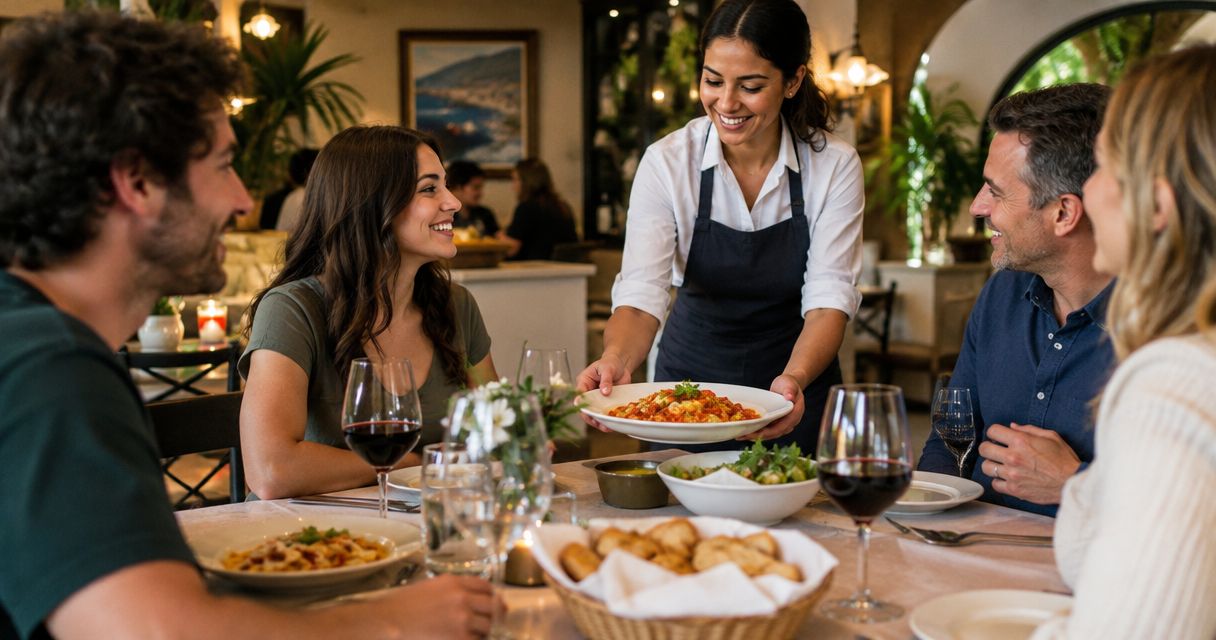
For a local Italian dinner, Mangiabeviny offers dinner and wine in Massapequa Park. Check the restaurant's current information when planning your 2026 visit; this guide explains how to choose a style, not which bottles appear on its current list.
- Choose your food. Identify the dish's strongest feature: acidity, richness, spice or delicate flavor.
- Describe your taste. Say whether you prefer crisp or rounded, light or full, and dry or noticeably sweet.
- Compare suitable styles. Ask which current glass fits that description and your meal.
- Confirm the details. Check the serving size and ask any questions about the open bottle before committing.
- Order deliberately. Choose the glass you want with this course, without assuming you need another afterward.
These steps work without memorizing regions or producers. The useful question is not which wine sounds most impressive, but which one makes sense for what you enjoy eating and drinking.
Why this matters
Ordering by the glass lets different people at the same table choose different styles. It also avoids committing everyone to a shared bottle when their preferences or dishes do not match.
There is a trade-off. Your choice comes from the current by-the-glass selection, not necessarily the entire bottle list, and the condition of an opened wine matters alongside its name.
Choose for your palate first, then refine the choice around dinner. A technically conventional pairing is not useful if you dislike the wine's texture or flavor.
Compare wine styles before comparing grape names
Think of the following as a conversation guide, not a restaurant inventory. These are broad style descriptions; individual wines differ by producer, growing conditions and winemaking.
| Wine style | Best for | What it contributes | Main limitation |
|---|---|---|---|
| Crisp, dry white | Guests who enjoy freshness with lighter dishes | Noticeable acidity and a lighter impression | Can feel too sharp if you prefer rounded textures |
| Fuller-bodied dry white | Guests who prefer weight and texture | More palate weight alongside richer preparations | Can overwhelm delicate flavors |
| Dry rosé | Guests seeking freshness without choosing a white | A refreshing style with varying fruit character | Color alone does not establish sweetness or body |
| Light-bodied red | Guests who want red fruit without a heavy texture | A lighter red-wine option for less intense dishes | Can feel slight beside strongly flavored food |
| Fuller-bodied red | Guests who enjoy structure with substantial dishes | Greater weight and, often, more noticeable tannin | Can dominate delicate food or feel drying |
| Dry sparkling wine | Guests who enjoy bubbles and acidity | Freshness and a contrasting texture | Bubbles are not everyone's preferred dinner companion |
Do not treat these categories as a ranking. A fuller red is not an upgrade from a lighter red, and a pale wine is not automatically simple.
The most useful comparison is between the styles you actually enjoy. If you dislike a drying sensation, tell your server before selecting a structured red rather than hoping the food will erase it.
Describe your palate without wine jargon
You do not need tasting vocabulary to give a clear brief. Familiar descriptions are enough, provided you separate the different sensations.
Dry or sweet
Dryness describes the absence of noticeable sweetness. Fruit aromas do not necessarily mean a wine contains enough residual sugar to taste sweet.
If you enjoy fruit character but dislike sweetness, say exactly that. Asking for a fruity, dry glass is more useful than asking for something that is not too wine-like.
Crisp or rounded
Crisp usually points toward noticeable acidity. Rounded describes a softer or broader impression, although it does not automatically mean sweet.
If sharp flavors bother you, mention that preference. If you enjoy a fresh, mouthwatering finish, ask which current glass has that character.
Light or full
Body is the wine's perceived weight in your mouth. It is different from color, sweetness and quality.
Ask for a lighter-bodied red if you want red wine without a heavy feel. Ask for a fuller white if you prefer texture but do not want a red.
Smooth or drying
Smooth is understandable but imprecise. Explain whether you mean less tannin, less sharpness or a softer texture.
Tannin creates a drying or gripping sensation. Naming that sensation helps your server distinguish a preference for low tannin from a preference for sweetness.
Match the glass to the preparation, not just the protein
A seafood dish with a delicate preparation and seafood in a rich sauce do not create the same pairing question. The sauce, seasoning and cooking method can matter more than the main ingredient.
Use these principles when discussing the current dinner menu. They are general pairing guidance, not claims about dishes served at the restaurant.
- Acidic preparations: Ask for a wine with enough freshness to sit comfortably beside tomato or citrus flavors. A softer wine can seem less lively alongside an acidic dish.
- Rich preparations: Consider acidity as a contrast or a fuller texture as a match. Tell your server which approach you prefer rather than assuming richness always requires red wine.
- Delicate preparations: Start with lighter styles. A strongly flavored or heavily structured wine can take attention away from subtle food.
- Spicy preparations: Be cautious with pronounced alcohol and tannin if heat already feels intense to you. Ask for a recommendation that keeps the combination comfortable.
- Strong savory flavors: Consider a wine with enough intensity to remain noticeable alongside the food. More body is one route, but it is not the only one.
Match intensity before following color rules. Red with meat and white with fish is a starting shortcut, not a complete ordering method.
Ask these questions before the glass arrives
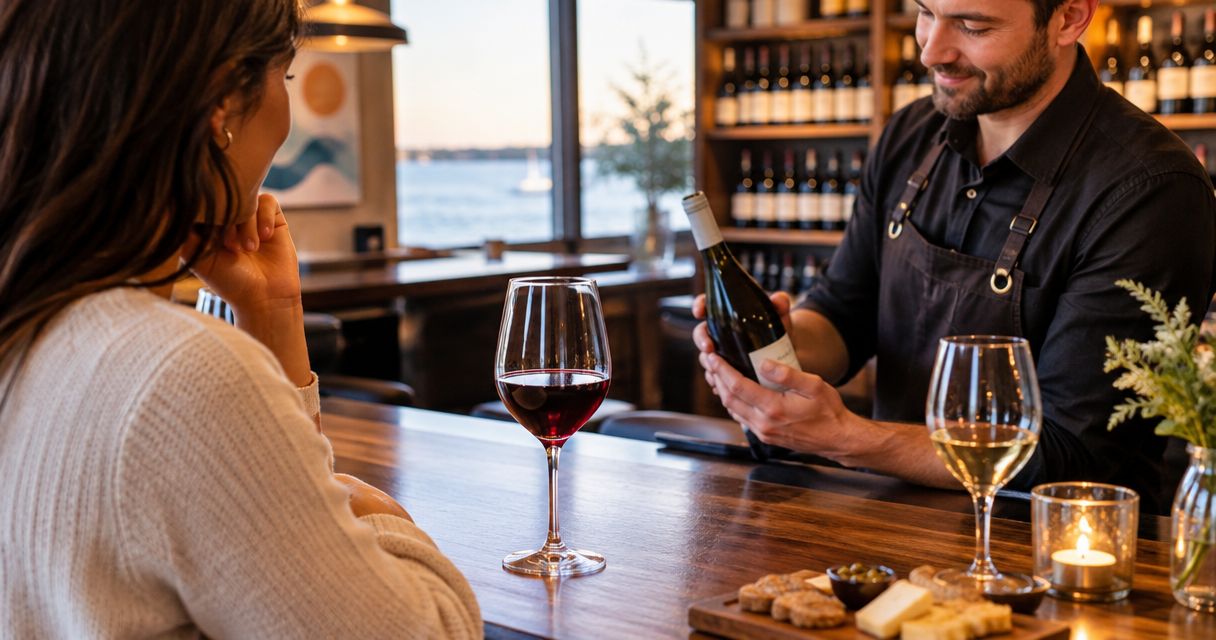
A short conversation can answer more than a long scan of unfamiliar labels. Give your server a clear preference and a clear dish, then ask for a specific comparison.
- Style match: Which current glass is dry, fresh and light, or rounded and fuller, depending on your preference?
- Food match: What makes that glass suitable for the dish you have chosen?
- Serving details: What is the stated serving size?
- Bottle condition: If you have concerns about an open bottle, how is the wine being preserved?
- Sampling policy: Is a small taste possible before committing? Ask rather than assuming it is offered.
Staff recommendations are most useful when they respond to your preferences. If the explanation does not address what you asked for, clarify the point before ordering.
A sample, where offered, helps you assess a wine; it is not a promise that every option can be tasted. Keep the request focused on the glass you are seriously considering.
Why your by-the-glass choice varies
The right choice changes with the meal and the moment. These factors explain why repeating a familiar grape name does not always produce the same experience.
- Your preferred sweetness: A dry wine with ripe fruit aromas is different from a wine that tastes sweet.
- The dish's intensity: Delicate food and richly flavored food call for different conversations about weight and structure.
- Sauce and seasoning: Acidity, richness and spice change how a wine feels beside a dish.
- The individual wine: Grape variety alone does not establish body, oak influence or tannin.
- The current list: A recommendation must fit the glasses being offered when you visit.
- Open-bottle condition: Oxygen exposure and preservation affect an opened wine's condition.
For a 2026 visit, treat older menu screenshots as background rather than a promise. Make your final selection from the current information provided by the restaurant.
Plan a Wednesday or Thursday dinner in Massapequa Park
For guests within a 15-mile radius of ZIP 11762, keep Massapequa Park as the center of the plan. Choose the dinner occasion first, then coordinate the reservation, travel and wine preferences around it.
Mangiabeviny is best for guests seeking Italian dinner and wine in Massapequa Park rather than a drinks-only outing. Its dinner-and-bar format fits that plan; it does not establish which wines are offered by the glass on a particular evening.
If you are arranging a Wednesday or Thursday dinner in 2026, use the main website to reach the OpenTable reservation link. Check the date and party details there rather than assuming a preferred time is available.
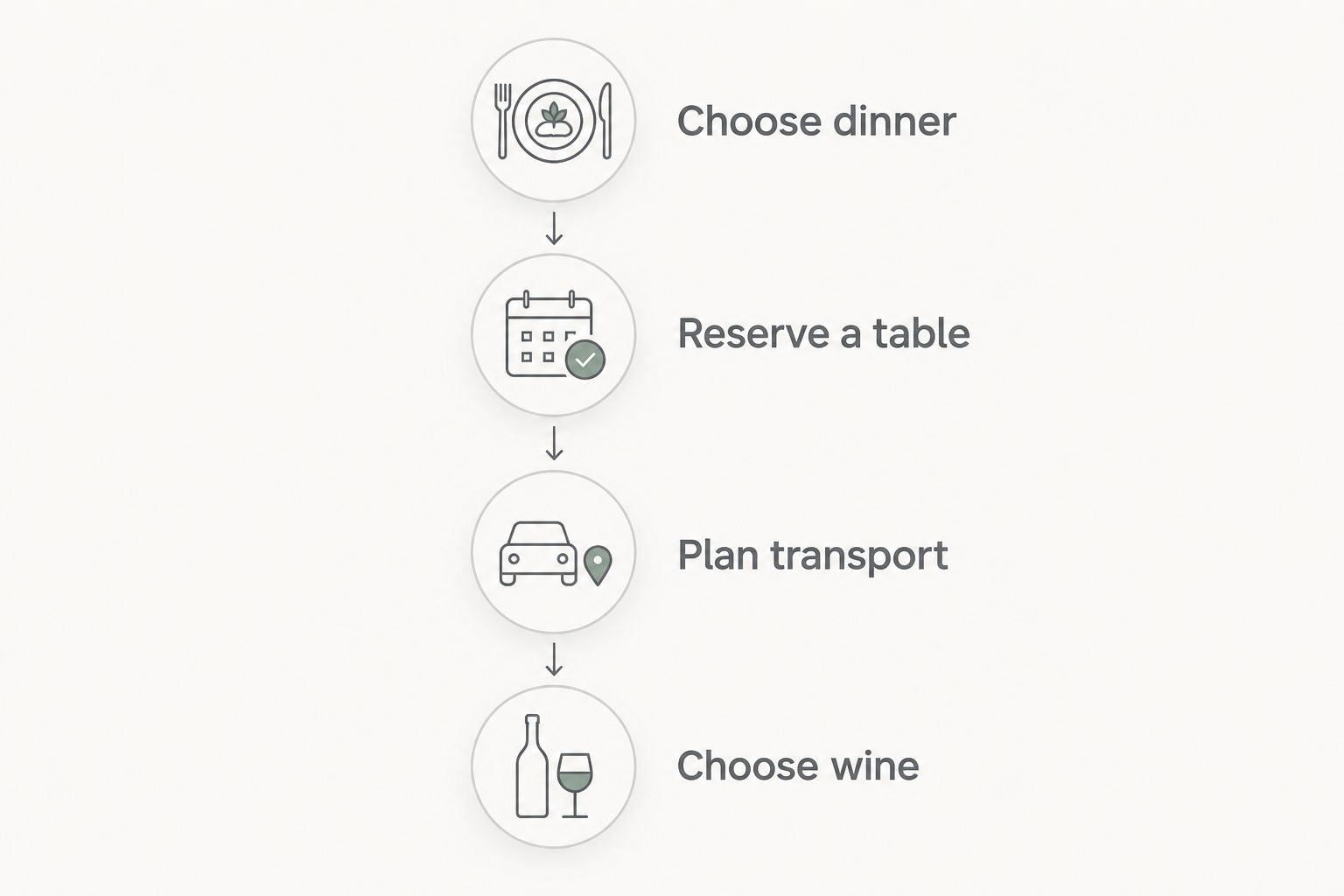
A simple planning sequence keeps the focus on dinner:
- Choose dinner. Agree on the occasion and any dietary needs before discussing wine.
- Reserve a table. Check Wednesday or Thursday options through the restaurant's reservation route.
- Plan transport. Decide how everyone will get home before ordering alcohol.
- Choose wine. Use the current list and your food order to make the final decision.
Do not build the evening around an unconfirmed bottle. You can decide that you want a crisp white or a light red in advance while leaving the exact selection until you see the current list.
Plan Your Midweek Italian Dinner
Use the main website to reach OpenTable for a Wednesday or Thursday dinner in Massapequa Park.
Is wine by the glass better than sharing a bottle?
Wine by the glass is better when guests want different styles or do not want to commit to the same wine. A shared bottle makes sense when the table agrees on a particular wine, but it asks everyone sharing it to make that commitment.
| Ordering approach | Best for | Advantage | Trade-off |
|---|---|---|---|
| Wine by the glass | Different preferences or separate course choices | Each guest chooses independently | Selection is limited to current glass offerings |
| Shared bottle | Guests who agree on the same wine | The table shares one selection | Less flexibility for different tastes |
Neither approach requires finishing more wine than you want. Make the choice around your preferences and plans, not around pressure to order a particular format.
Should you order the same wine throughout dinner?
Keep the same style if you enjoy it and it suits your food. Changing wine is an option, not a requirement for a proper Italian dinner.
If a later course differs substantially in richness or intensity, ask whether your existing choice still fits. You can also stop with the glass you already ordered; another course does not require another drink.
What if you do not like the recommended wine?
Describe the specific problem promptly and politely. Too sweet, too drying and too sharp give the server clearer information than simply saying the wine is wrong.
Separate a preference mismatch from a suspected condition issue. Explain what you notice, and ask about the restaurant's approach rather than assuming a replacement policy.
FAQ
What's the best way to choose wine at a Long Island wine bar?
Choose a style you enjoy, then match its body and acidity to your dinner. Ask which current by-the-glass option fits both your preferences and the dish.
Does fruity wine mean sweet wine?
Fruity wine does not necessarily taste sweet. A dry wine can have pronounced fruit aromas, so describe sweetness separately when ordering.
Should I always order white wine with seafood?
White wine is not mandatory with seafood. The preparation, sauce and intensity of the dish matter alongside the main ingredient.
Can I ask to taste wine before ordering a glass?
You can ask whether a small taste is offered, but do not assume it is restaurant policy. Keep the request focused on a glass you are considering.
Is wine by the glass better for a dinner date?
Wine by the glass suits a dinner date when you want different styles or separate choices. Sharing a bottle suits guests who agree on the same wine.
How do I plan a Wednesday or Thursday dinner in Massapequa Park?
Choose your date and party details, then use the restaurant's current reservation route. For a 2026 visit to Mangiabeviny, use the main website to reach OpenTable and confirm the options shown.
What should I check on a wine-by-the-glass list?
Check the wine's style and stated serving size, then ask how it fits your meal. If sweetness, tannin or open-bottle condition concerns you, raise that before ordering.
One last thing
Tell your server about a wine sensation you dislike, not just a grape you recognize. Avoiding a drying texture or noticeable sweetness gives the recommendation a useful boundary, even when every producer on the list is unfamiliar.
For your next dinner, remember the order: food, preference, recommendation, confirmation. That is enough to choose thoughtfully without turning the evening into a wine exam.